


Upcoming Events
Tayside Classic Motor Show - Errol
With no BVAC show at Thirlestane this year, we will instead be joining this great show just outside Dundee
With no BVAC show at Thirlestane this year, we will instead be joining this great show just outside Dundee
Simply French Car Day at Beaulieu
Join the official CPUK stand on a day celebrating all French cars at the magnificent National Motor Museum.
Join the official CPUK stand on a day celebrating all French cars at the magnificent National Motor Museum.
Cars In The Park - Lichfield
Always a highlight of the CPUK event calendar
Always a highlight of the CPUK event calendar
Autos de France - Oulton Park
Autos de France is back at Oulton Park to celebrate the French automotive industry.
Autos de France is back at Oulton Park to celebrate the French automotive industry.
Scottish Transport Extravaganza - 50th Anniversary - Glamis Castle
The 50th Anniversary of the Scottish Transport Extravaganza at Glamis Castle is sure to be something special
The 50th Anniversary of the Scottish Transport Extravaganza at Glamis Castle is sure to be something special
News from CPUK
CPUK AGM 2025
Minutes and Reports from our 2025 AGM are now available in the Member Area
Check your CPUK Membership
Check your CPUK Membership details or prove them to a 3rd party You will need to be logged-in to the website, of course.…
Registering an imported Peugeot
To obtain the date of manufacture of your Peugeot, please click on Imported Vehicle Registration in the top menu.
Stellantis Announces New CEO
Stellantis has announced that its Board has unanimously selected Antonio Filosa as its new Chief Executive Officer…
New CEO targets higher EV sales
Peugeot’s new CEO, Alain Favey, is focusing on boosting the brand’s EV sales across Europe in 2025 with new models
The Peugeotist
Issue 228
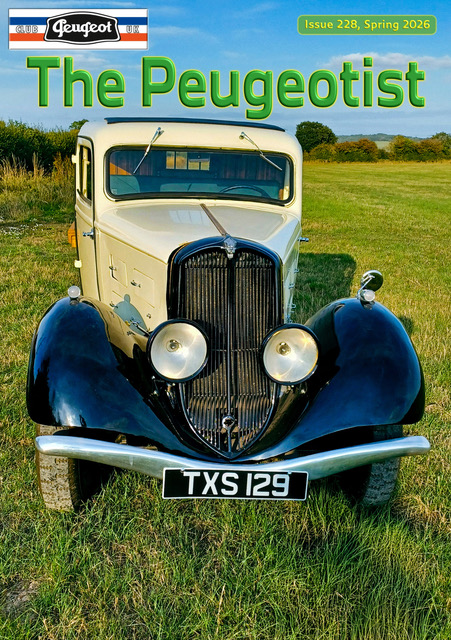
Spring 2026
Our 2026 Charity
Darl`Mat Weekend
A Sad End for an Old Friend
From Rust to Road
Retromobile 2026
And more!
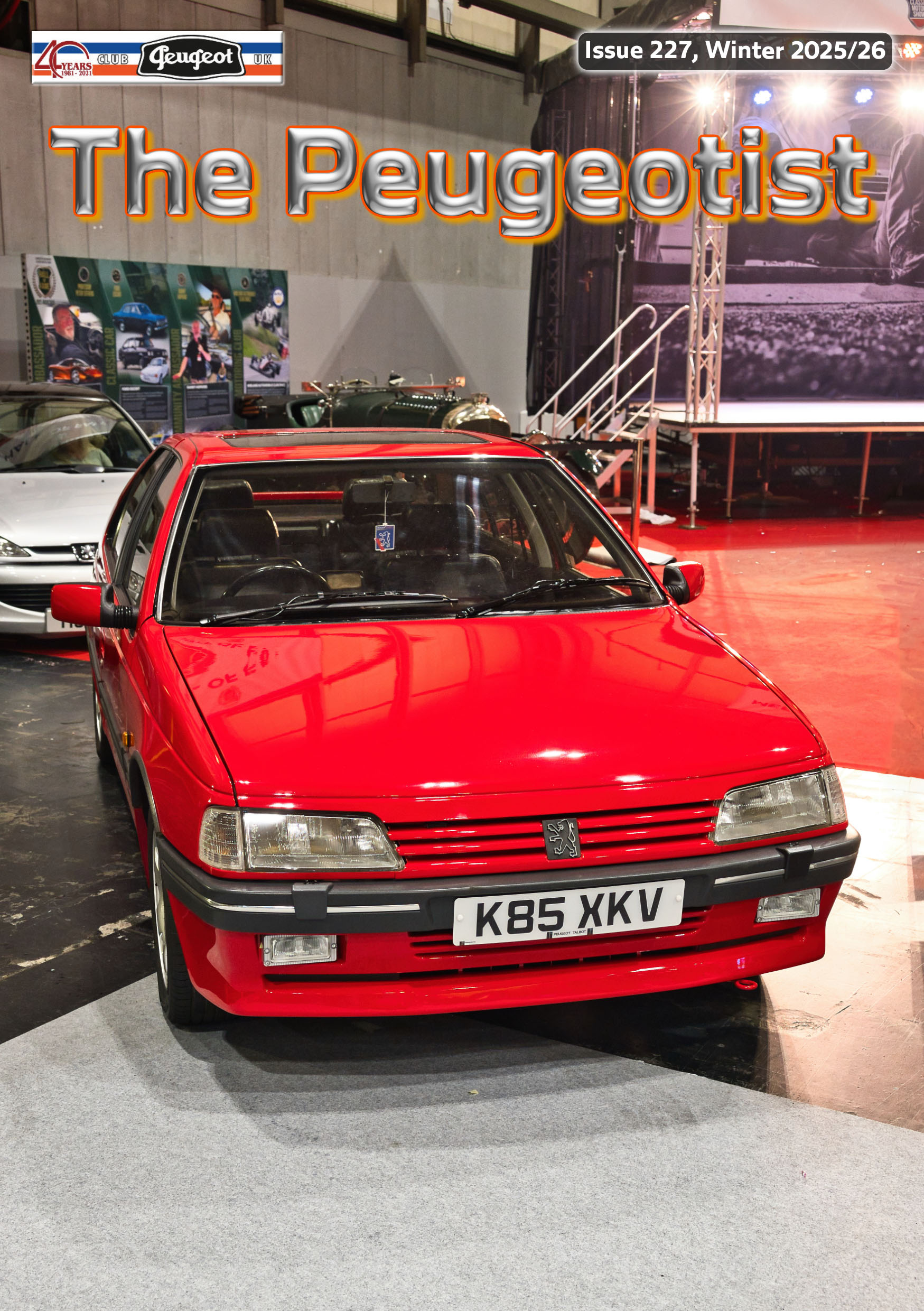
Member Gallery
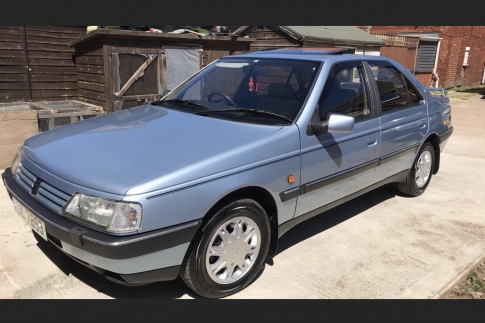
405 GTX Injection Auto
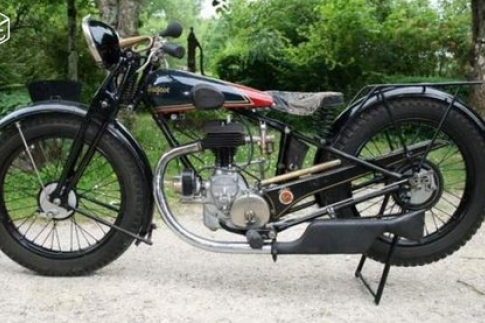
P110 Motorcycle 1929
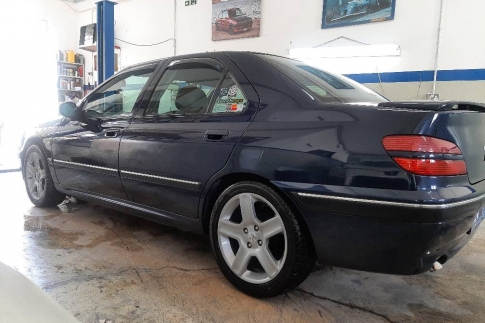
406 Saloon 2.0 HDi
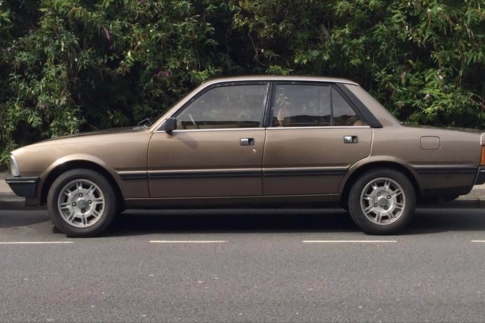
505 GTI - John Yearron
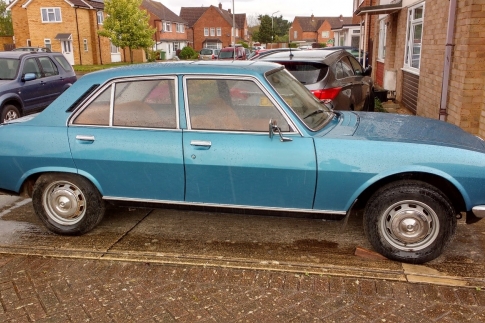
504TI
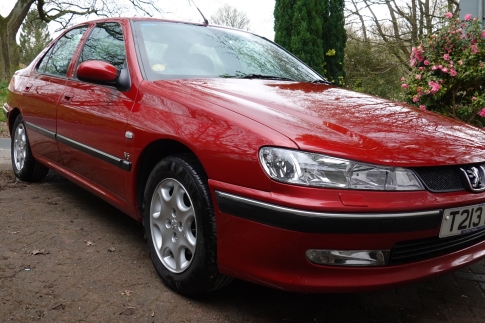
406 V6 - Arthur Cobill

172M Pick Up
205 CTI
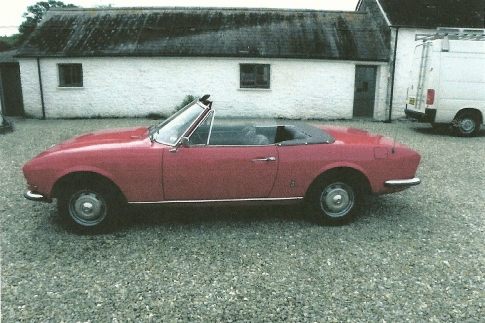
504 Cabriolet_Peter Barratt
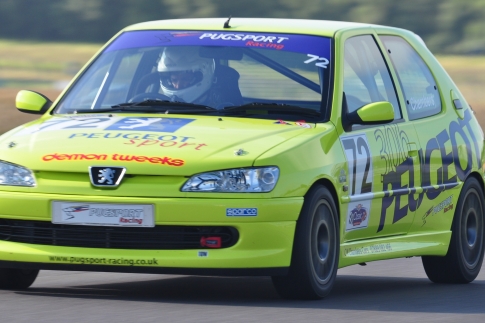
Carl Chambers - 306 Rallye
Guest Gallery
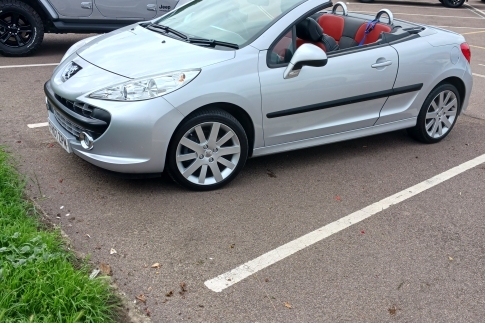
207CC
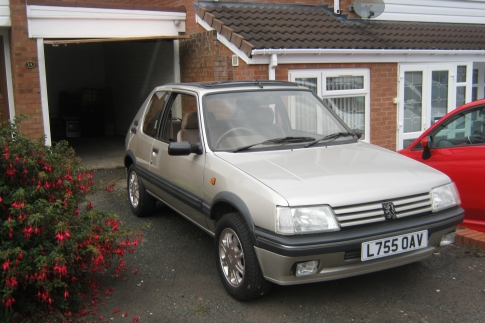
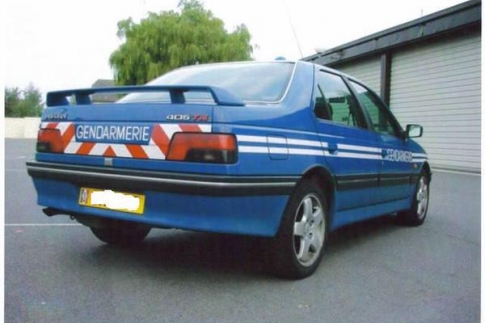
Gendarmerie 405 T16
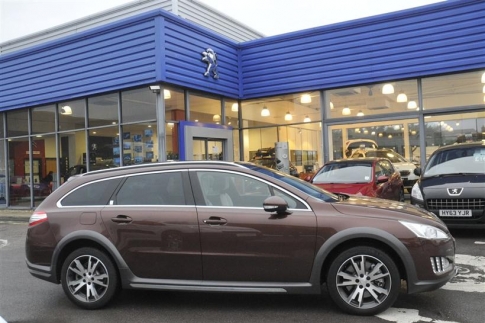
Outside showroom
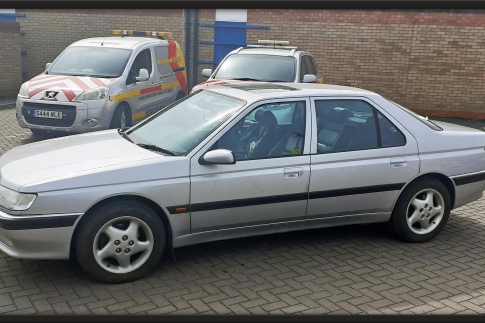
Stunning Car
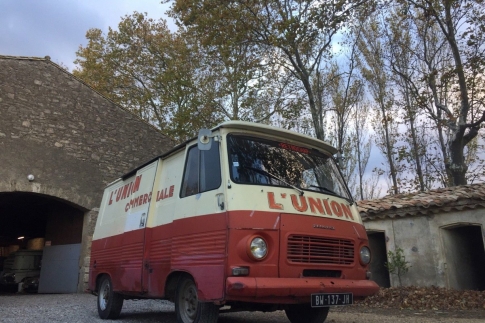
J7 Van
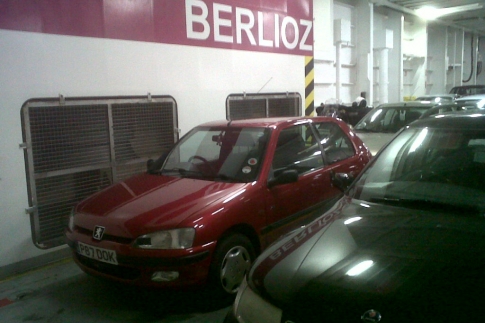
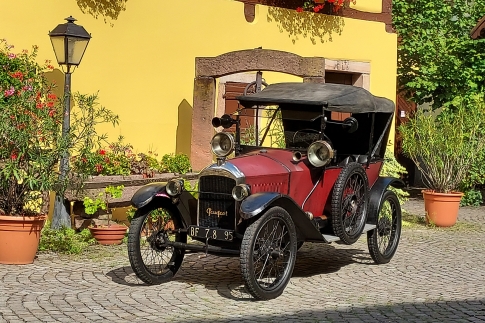
172 Quadrilette
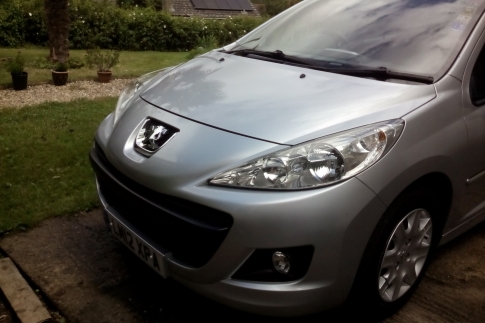
Ruth Audsley - Peugeot 207 sw
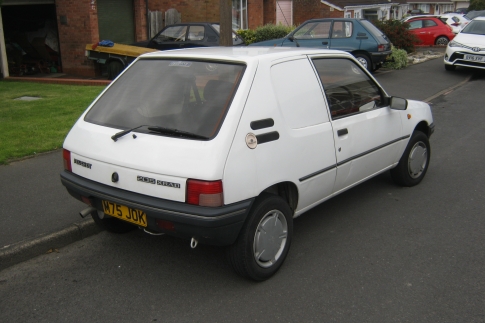
Notice Board
Paean to the 304 Cabriolet
30 years of Peugeot GTi
Advertising